Fake Dating: When a Contract Becomes More
Fake dating is the art of playing a relationship so well that you forget it's just a game.
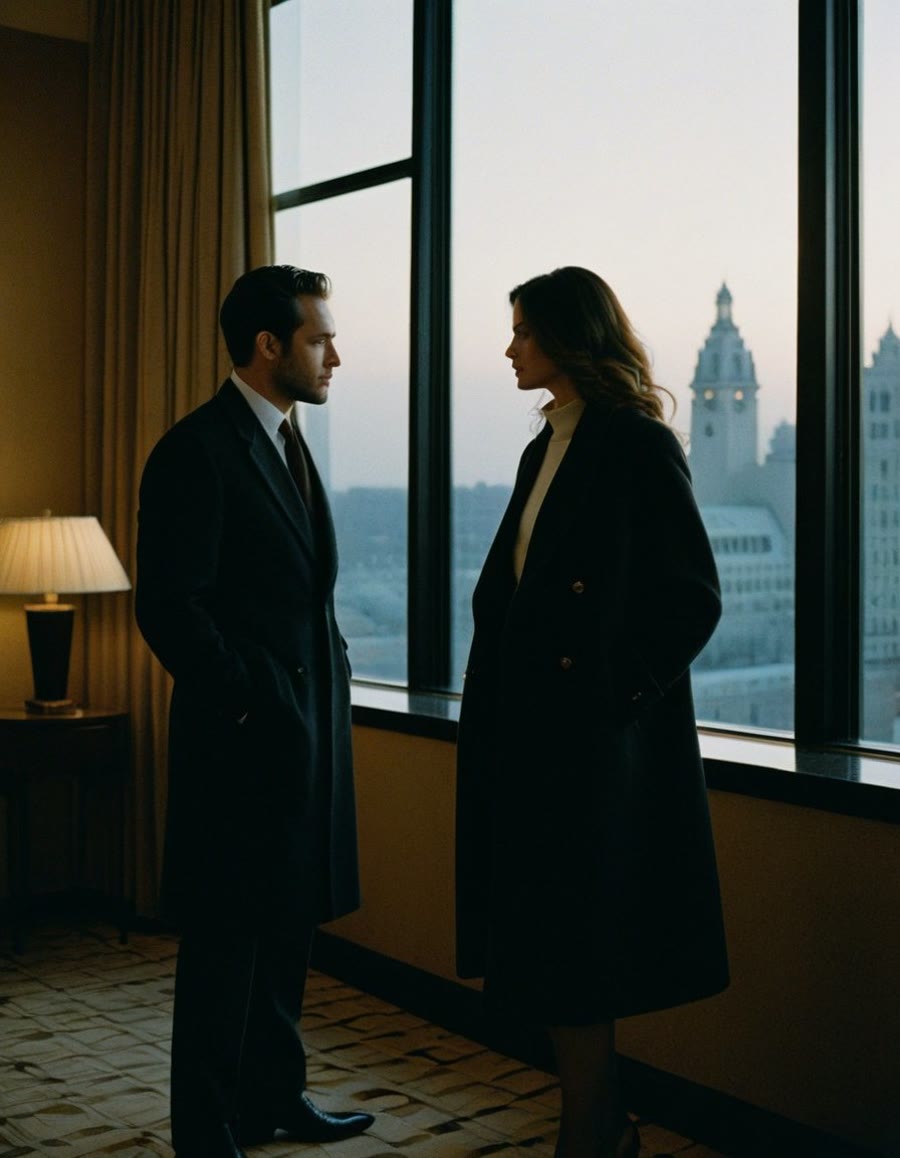 Sample fromThe Clause of Proximity
Fake Dating
In "The Clause of Proximity" you are a corporate lawyer tasked with drafting the prenuptial agreement for the heir of a traditional London trading house. What begins as a marriage of convenience turns into a game of glances, touches, and unwritten rules—while the board watches suspiciously and his sister sees through the farce. You decide how far you go to maintain the deception.
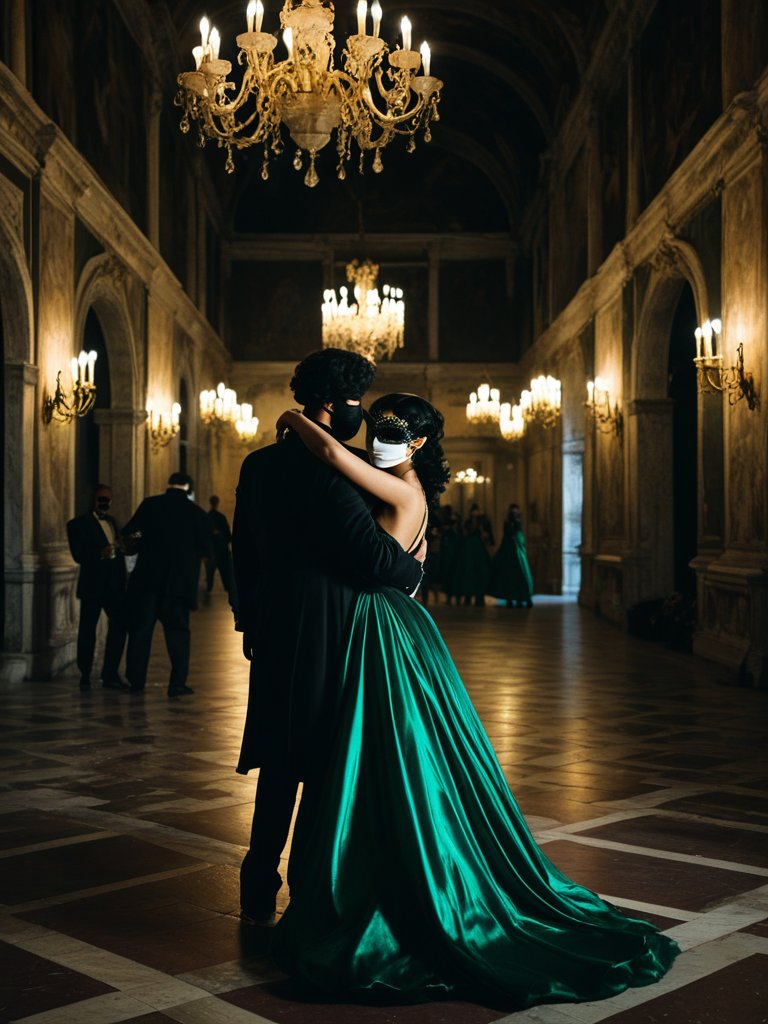
"The Mask of the Signorina" takes you to Venice, where as Serafina you assume a borrowed identity. A dance, a night, a role you must play perfectly – and a man who sees more than you want to reveal. Here, fake dating is not just a game of hide-and-seek, but a test of your own desires.
In "The Last Clause" you play Caroline, 36, and encounter a past that can destroy everything. Six weeks of silence lie behind you, and a contract that demands more than signatures. Fake dating becomes a tug-of-war between duty and feeling – and you decide who you trust.
At Everglow, you decide in every chapter: How close do you let him get? When do you break the rules? That's what makes fake dating different here than in a book – you play the main character and decide whether the farce turns into love or not.
Fake Dating thrives on the discrepancy between public performance and private truth. The best stories of this trope show how the protagonists fail by their own rules—because they forget they are only playing. In London, Venice, or wherever: the audience is everywhere, and glances do not lie.
Fake Dating
Every story begins with a role that is already set and a world that waits for you. Everything else is your call.

See all stories › · Or build your own world: your characters, your place, your rules. Start your own world ›
Who this is for. And who it isn’t.
This is yours if you
- You love stories where a practical arrangement slowly becomes more.
- You like it when tension comes from glances, touches, and unwritten rules.
- You enjoy deciding for yourself how far the deception goes and when the masks fall.
- You're looking for a trope that offers both heart-fluttering moments and clever dialogue.
Skip it if you
- You don't like stories where the protagonists have to lie or pretend – then maybe "Slow Burn" is better for you.
- You want instant romance without detours – then check out "Love at First Sight."
- You have no patience for rules and agreements that first have to be broken – then better read "Forbidden Love."
You set the heat yourself, from implied to explicit, and can change it in any story. What you don’t want doesn’t happen: your character keeps her boundaries.
Words you will meet here
In short
What does fake dating mean?
Fake dating means two people pretend to be in a romantic relationship even though they aren't. Usually there's an external reason – an inheritance, a family celebration, a business deal – and clear rules that define the game.
Difference from Slow Burn
Both tropes build tension, but differently: In Slow Burn, feelings develop slowly and naturally, without external pressure. In Fake Dating, the situation forces the characters into closeness – they have to act as if, and that's exactly what accelerates the emotions.
What role do I play in the stories?
You are always the main character. In "The Clause of Proximity," you are the lawyer who drafts the contract and suddenly becomes part of the game yourself. You decide whether to break the rules or play the farce to the end.
How intense is Fake Dating at Everglow?
The intensity rises with every decision. In "The Mask of the Signorina," you have only one night – every glance, every touch counts. In "The Clause of Proximity," the game stretches over months, with growing pressure from outside and within.
Venice awaits. A mask. A dance. A game.
You enter the hall as Serafina, an identity that isn't yours. He sees you – and you must decide how much you reveal.
Adults 18+ only · private and discreet · starting credit included